
Understanding the Design Stages
Every successful building project begins long before construction starts. The architectural design stages shape the vision, cost, and efficiency of the entire project. While many people picture the finished building, few understand how much coordination and detail work is required to bring that vision to life.
The process begins with programming. Programming is the phase where the team gathers information to define the project’s needs. It’s where big-picture dreams start turning into real-world requirements: How many classrooms does the school need to support future enrollment? How many resident rooms should be planned for a senior living community? Should the church include a community café, childcare area, or multipurpose gym? In programming, the team identifies required spaces, how each will be used, capacity expectations, and how they all relate to one another. Programming establishes the framework that guides every design decision that follows.
Once the program is established, the project moves into conceptual design. This is where ideas take their first form through broad sketches and conversations about goals, style, and needs. The drawings at this stage are intentionally simple. They help the team explore possibilities before any final decisions are made. It’s the creative stage where someone might say, “What if the sanctuary seating wrapped around the stage instead of facing straight on?” or “Could the student commons open directly into the courtyard?”
Schematic design builds on those concepts by establishing the general layout and starting to define major systems. The building begins to take recognizable shape, hallways, wings, and gathering spaces fall into place. There is a lot of information that is starting to develop in the overall project design which helps to inform a detailed budget estimate that the team can use to make future decisions.
Design development introduces more refinement. Materials, mechanical systems, and structural elements are selected. Conversations shift from high-level concepts to practical decisions: What type of flooring will best withstand high-traffic classroom areas? Should the nurses’ station in a memory-care wing be centrally located for visibility or tucked away for privacy? This is where cost implications begin to solidify, which makes collaboration essential.
Finally, construction documents bring everything together. This stage produces fully detailed plans used for pricing, permitting, and construction. These documents include final paint colors, flooring, cabinetry, and all the technical specifications the construction team needs to build accurately and efficiently.
While every project is unique, most teams can expect the full design process to take anywhere from six months to one year, depending on the size and complexity of the project.
Why Early Involvement Matters
Early involvement is essential to shaping a project’s direction and avoiding unnecessary costs. Catalyst prefers to enter the project at the conceptual design stage. Being present from the beginning allows us to understand the vision, evaluate feasibility, and offer insight before decisions become costly to change. Even in meetings where we are not presenting, listening to the dialogue keeps us aligned with the architect and owner, and helps maintain momentum through the entire preconstruction process.
This level of involvement also builds strong relationships. When the construction team understands the “why” behind design decisions, we can better support the project and help ensure each milestone is met on schedule.
Addressing Common Misconceptions
Many owners assume the design process lasts only two to three months. In reality, the level of detail required for a coordinated and buildable set of documents often extends beyond that timeline. There are many disciplines involved, and each must contribute information that is accurate and consistent.
Another misconception is that early drawings contain enough detail to provide a bid estimate forthe project. While conceptual and schematic designs have enough information to produce initial budget estimates, the end user needs to know that those initial numbers are typically a median cost with an expected range of 10% to 15% in either direction. Much of the information needed for precise cost estimates comes later, once systems, materials, and structural choices are fully understood.
Avoiding Costly Issues Through Collaboration
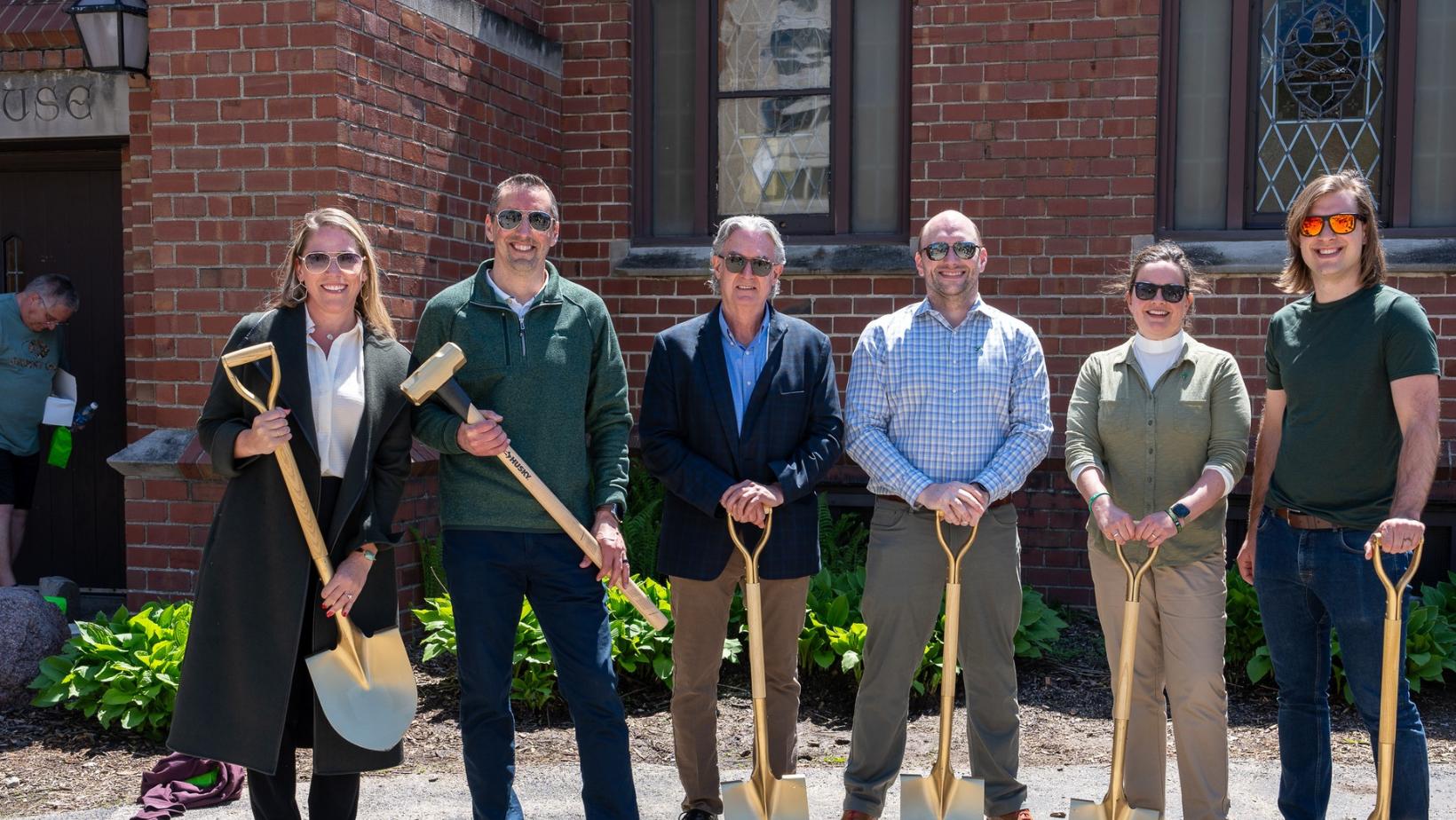
One of the clearest examples of the value of early collaboration comes from the Apostolic Truth Church project in Appleton, Wisconsin. During early design discussions, the owners’representative and our team explored a mechanical system they believed would be a good fit. As the design advanced, it became clear that the system exceeded the budget. Because Catalyst was involved from the start, the team was able to pause, reevaluate, and adjust the design before any financial commitments were made. This ensured the project stayed aligned with the church’s vision and resources.
Understanding the Team Behind Every Project
Successful projects rely on a diverse team of experts working together toward a shared vision. Architects, engineers, consultants, construction managers, trade contractors, and suppliers each play a critical role throughout the design and construction process. With so many contributors involved, clear communication and aligned expectations are key. When everyone understands their role and works collaboratively, the project benefits from smoother timelines, better decision-making, and stronger outcomes.
Sustainability and Changing Codes
Recent building code updates in Wisconsin have increased sustainability requirements. These updates include higher insulation values, better performance windows, and more energy-efficient building envelopes. Clients are also exploring renewable energy options such as solar panels and geothermal wells. These choices require early discussion to determine feasibility, cost, and long-term benefit. Construction insight plays an important role in that evaluation.
Helping Clients Visualize Their Building
Not every client is comfortable reading blueprints. To bridge that gap, Catalyst provides narrative explanations that walk clients through the drawings in straightforward language. We also use tools such as On–Screen Takeoff to highlight elements like walls, cabinetry, and room layouts, giving clients a clearer visual understanding of their building. Programs like Bluebeam and Adobe make reviewing drawings more intuitive and help clients feel confident in their decisions.
Advice for Designers and Developers
The best advice is simple: ask questions. Understanding the process requires curiosity and a willingness to learn. No one expects designers or developers to know everything on day one. Open communication strengthens collaboration and leads to better outcomes for everyone involved.
What Sets Catalyst Apart
At Catalyst, we see ourselves as an extension of the owner’s team. When we create a budget, we treat it as the master budget for the project and hold ourselves accountable to it. We expect the architect and the entire design team to partner with us in maintaining that alignment. This approach has helped us consistently deliver projects that reflect both the vision and the financial goals of our clients.
Most projects include three to four full budget updates. Each revision ensures that design decisions remain practical, affordable, and fully coordinated. Learn more about how Catalyst can help you through the design process.
About the Author