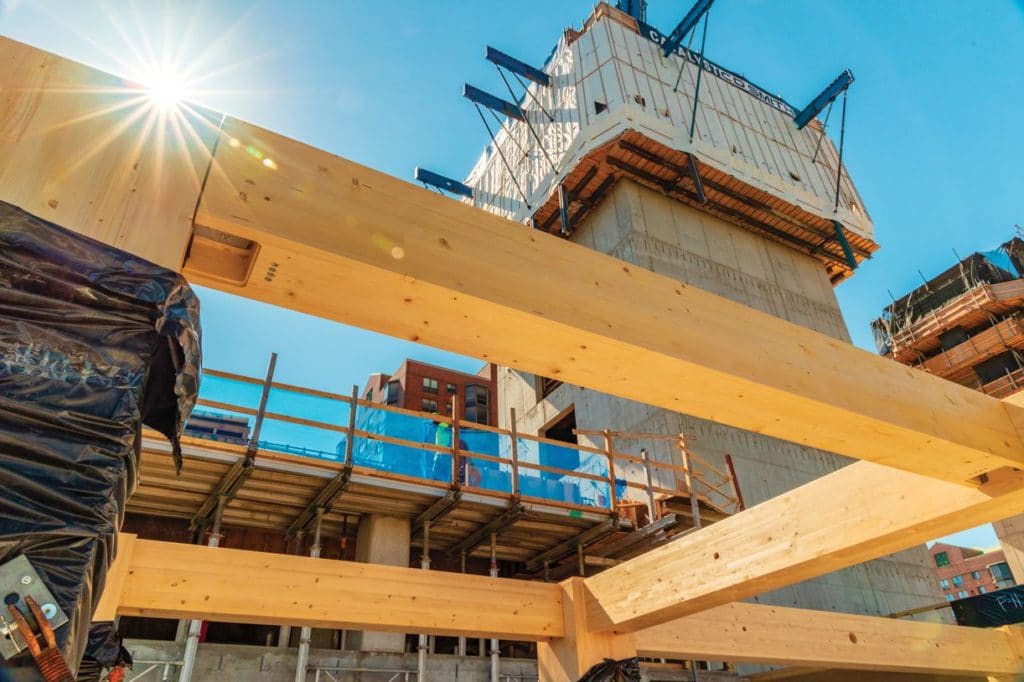

When people think about construction, they often picture the finished building. What they don’t always see is the constant coordination, planning and teamwork happening behind the scenes to bring that building to life.
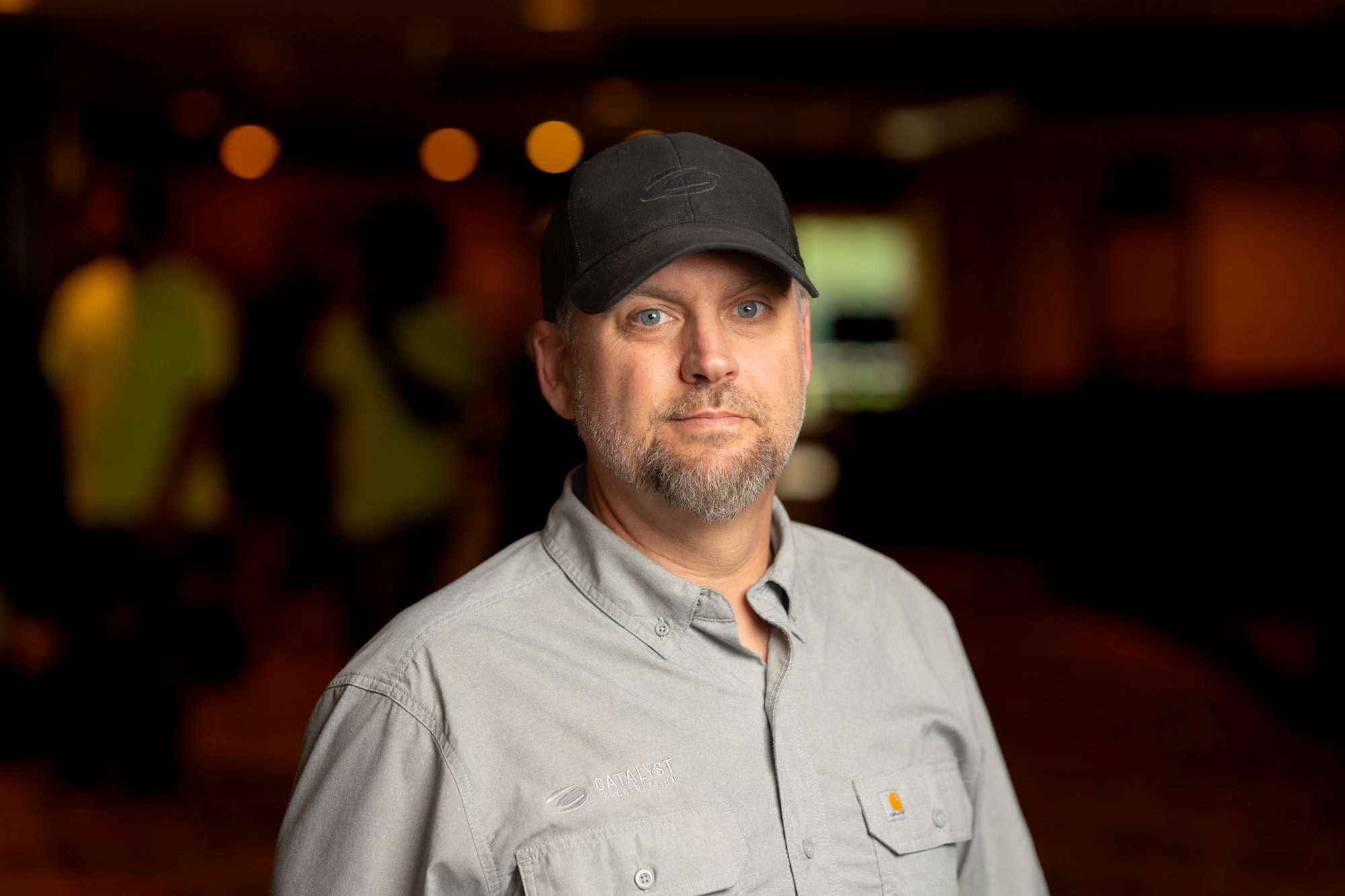
As a superintendent at Catalyst Construction, my role is to oversee the day-to-day activities on the jobsite and make sure the project keeps moving forward safely and efficiently. Every project and phase of construction is different, but the rhythm of the job usually follows a similar pattern.
Starting the Day: Planning and Preparation
I typically arrive early so I can start the day by organizing my priorities. Before crews arrive, I make a list of what needs to happen that day: which subcontractors will be on site, what work they’ll be doing and what I need to inspect to ensure everything is done correctly.
Safety and logistics are also top of mind. I think through things like:
- What deliveries are arriving today?
- How will materials get into the building?
- Are there any access or safety concerns tied to today’s work?
Many of these activities were planned weeks in advance, but having a daily list helps me stay organized when unexpected issues inevitably arise.
The Morning Hustle
As crews begin arriving, the jobsite quickly comes to life. Deliveries arrive; boom lifts and telehandlers start moving materials and subcontractors begin setting up their work areas.
Mornings can feel like a chess match. My job is to make sure everyone can access the areas they need to work, materials are moving where they should and crews are operating safely.
Left on their own, subcontractors can sometimes block each other’s work areas or miss important coordination details. Being present on the site early helps prevent those issues and keeps the day moving in the right direction.
Once everyone is working on their scope, the day begins to settle into a rhythm.
Coordinating the Work
After the morning rush, I start working through my list and meeting with foremen from different trades to talk through upcoming tasks or questions related to their work.
Communication with the foremen team is one of the most important parts of my job. They’re the leaders of their crews, and when we’re aligned on deadlines, priorities and sequencing, the entire project runs more smoothly.
It’s just as important to communicate with the owner. We don’t want to have any interruptions to the owner’s activities and want to make sure we keep their job safe and on schedule with minimal interruptions.
I also spend time coordinating with the project manager and the design team, including architects and engineers. Sometimes subcontractors need clarification from the plans and specifications. If information is missing or conflicting, we work through requests for information (RFIs) to get answers and keep the project moving.
Meetings and walkthroughs are usually scheduled for mid-morning or later, since the early hours are typically the busiest on site.
Always Working Ahead
One of the biggest parts of being a superintendent is thinking ahead. I try to stay several steps in front of the work by meeting with contractors before their phase begins. Walking through logistics, expectations and potential challenges ahead of time helps avoid “fire drills,” when crews show up unprepared and the morning gets bogged down in questions.
Providing a clear roadmap for subcontractors, including schedules, deadlines and building access, helps the team stay organized and reduces confusion.
When the right communication and expectations are set early, the project team can work more independently and efficiently.
Managing the Unexpected
Even with careful planning, construction rarely runs perfectly. Deliveries can arrive early or late, weather can change the plan and sometimes subcontractors need extra guidance. That’s where preparation helps the most. When most of the job is organized and communicated well in advance, I have more time to focus on the unexpected issues that come up during the day.
Safety is another constant priority. Experienced crews often know what to watch for, but younger or less experienced workers may need guidance. Addressing safety concerns early sets the tone for the entire site.
Wrapping Up the Day
As the day winds down, we review progress, complete daily reports and check the schedule for upcoming milestones. The goal is to ensure today’s work moves the project forward and that tomorrow’s work is set up for success.
If the project is still in early phases without a roof or enclosed space, weather forecasts become especially important. Planning for the next day’s conditions can make the difference between staying productive or losing time.
A Team Effort
Construction is never a one-person job. While I oversee the jobsite, the success of a project depends on strong teamwork across the entire team.
At Catalyst, the relationship between the superintendent and project manager is key. I focus on managing the site and driving the construction schedule, while the project manager handles contracts, pay applications, submittals and other business-side responsibilities. When both sides stay ahead of the project, ensuring information, materials and crews are ready when needed, everything works better.
The Most Rewarding Part
One of the most rewarding moments as a superintendent is seeing the team on site working together and hitting key milestones. Construction projects involve many moving parts, and when everyone communicates well and pushes toward the same goals, you can see the building take shape in real time.
Advice for Future Superintendents
For anyone considering becoming a construction superintendent, it’s important to understand that it’s not a typical 9-to-5 job.
The work can be stressful, and you need to be comfortable making decisions, solving problems and sometimes having tough conversations. But if you enjoy building things, leading teams and staying a few steps ahead of the action, it’s an incredibly rewarding career. Success in this role comes down to one simple mindset: Work in the future so the present runs smoothly.
Ready to Build What’s Next?
Behind every successful project is a strong team working together to plan ahead, solve problems and deliver results. At Catalyst Construction, our superintendents, project managers and trade partners collaborate closely to keep projects moving forward safely and efficiently.
If you’re planning a new church, school, senior living community or nonprofit facility and want a construction partner who understands how to bring your vision to life, connect with the Catalyst Construction team to start the conversation at catalystbuilds.com.
About the Author