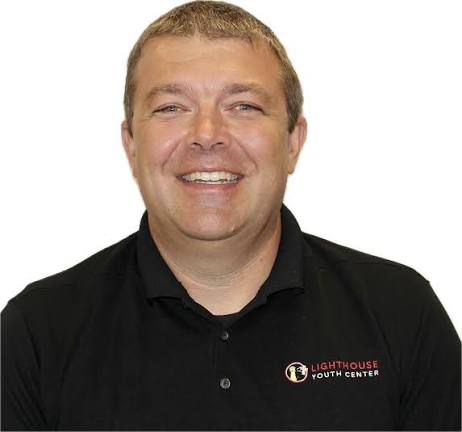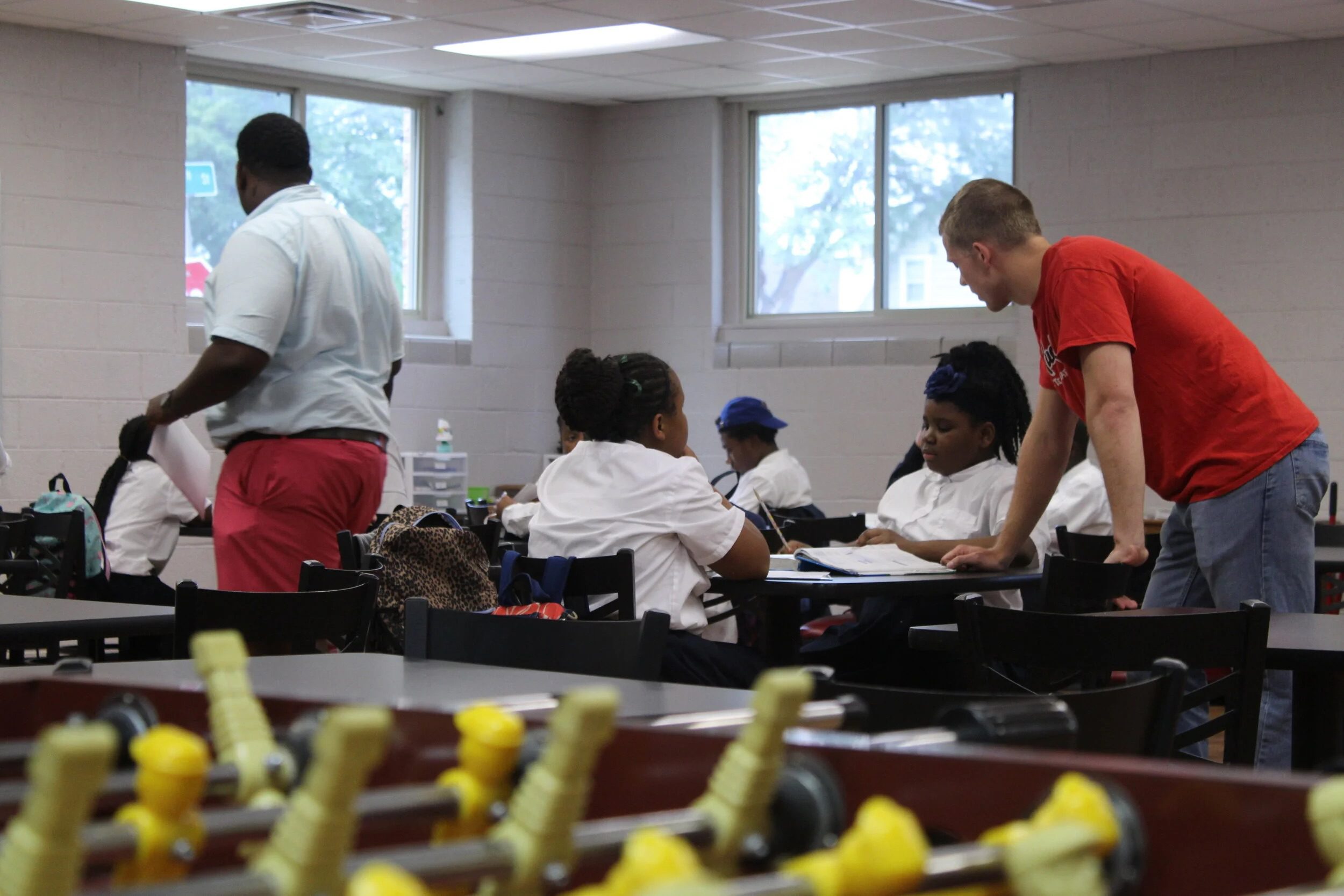

This year marks the 20th anniversary of Lighthouse Youth Center in Milwaukee, Wisconsin, and it’s hard to believe how far we’ve come. Looking back, it’s funny because I never planned on becoming a pastor, let alone leading a youth ministry for the past two decades.
Growing up in Ixonia, Wisconsin, it seemed like everyone thought ministry was exactly what I should do. My teachers encouraged it, my pastor encouraged it, and even my grandma though
t I’d make a good pastor. Naturally, I decided to prove everyone wrong and enrolled at UW-Whitewater to study business instead. But during that year, watching so many people search for identity and purpose, I realized I already knew mine. I remember praying, “God, if you’ll let me spend my life helping young people make wise life decisions, I’ll become a pastor.”
What I couldn’t have imagined at the time was one prayer would lead me to helping build an organization that has now served thousands of young people across Wisconsin.
That prayer eventually led me to Milwaukee in 2006, where I had the opportunity to help launch Lighthouse Youth Center. Looking back now, I’m grateful God had a much better plan than the one I had for myself.
Meeting a Need, Not Creating a Program
People often ask how Lighthouse got started, and they usually assume someone had a strategic plan or a great idea for a new youth program. The truth is much simpler than that. Lighthouse began because a group of people took the time to ask what the Havenwoods neighborhood actually needed, and then listened to the answer.
At the time, Redemption Lutheran Church in Milwaukee, Wisconsin had made the difficult decision to close its school, leaving behind an empty building. Rather than rushing to find another use for the space, church leaders began learning more about the Havenwoods neighborhood and talking with the people who lived there. What they discovered was a growing number of hardworking single mothers doing everything they could to build a better future for their children.
Many had moved into the neighborhood because it offered safer streets and better schools, but those opportunities often came with long workdays and difficult schedules. Their children were too old for daycare but too young to be home alone, leaving the after-school hours as one of the most vulnerable parts of the day.
We realized we didn’t need to create another program. We needed to create a place where kids could be safe, build relationships and know they were cared for.
When I accepted the position as Executive Director, one of the longtime members of Redemption welcomed me with a smile and admitted that the congregation knew this ministry was bigger than what they could accomplish on their own. They had the vision to recognize the need in the community and the humility to invite others to help make it happen. That mindset has shaped Lighthouse ever since.
The Kids Built Lighthouse
When we first opened Lighthouse, it was just me and a handful of volunteers. We intentionally kept things small because we didn’t want to assume we knew what kids needed. Instead, we met them first and built the program around them.
For the first couple months, we were only open one afternoon each week. We spent that time getting to know students, asking questions and listening. In many ways, the kids helped build Lighthouse just as much as we did. They shaped the culture, wrote the rules and taught us what mattered most. Their answers were surprisingly simple, they wanted a place where they felt safe and where they were treated with respect. We realized we weren’t building a program for kids, we were building it with them.
About eight weeks after we opened, I invited everyone to bring a friend the following week. Forty-three kids walked through our doors.
That was the moment we realized this wasn’t simply a good idea, it was a real need our community had been waiting for.
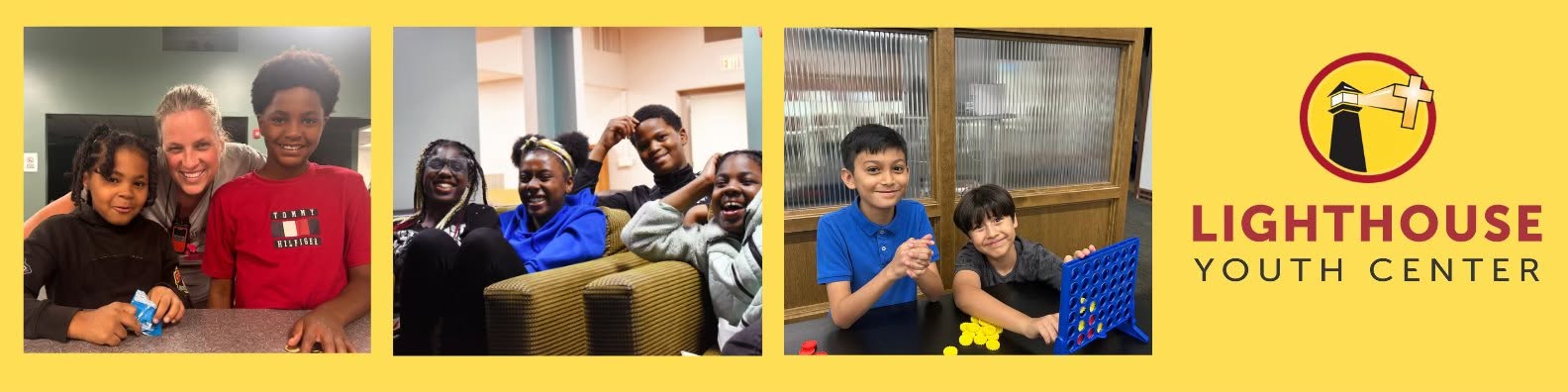
From there, Lighthouse continued to grow. We expanded from one afternoon each week to four, then five. Eventually our board challenged me to focus less on leading one location and more on helping Lighthouse grow into additional neighborhoods. That wasn’t an easy decision because I loved working directly with the kids, but looking back, they were right. I still laugh when I think about watching my replacement work with a group of teenagers who insisted, “That’s not how Pastor Buske would’ve done it.”
My response was always the same.
“That’s a lie. That’s exactly how I would’ve handled it.”
It was hard to let go, but I knew the mission had become much bigger than one person.
Building Places Where Ministry Can Grow
As Lighthouse expanded, we quickly learned ministry isn’t only about people. It’s also about creating spaces where people feel welcome, safe and cared for.
Every new neighborhood meant another building that needed to become a place where kids wanted to spend time. As a nonprofit, that wasn’t easy, especially during the economic downturn when construction resources were tight and every dollar mattered.
That’s when our relationship with Matt Burow and Catalyst Construction really began to grow.
Matt, the Founder and CEO of Catalyst Construction, believed in Lighthouse from the beginning. He served on our board, cared deeply about urban ministry and understood that our buildings weren’t the mission, they were tools that allowed the mission to happen. What started as a relationship with Matt quickly became a relationship with the entire Catalyst team, and over the years we’ve experienced that same servant-hearted mindset from everyone we’ve worked with. They never approached Lighthouse like just another construction project. They rolled up their sleeves, connected us with the right people, helped us solve problems creatively and understood the realities of operating as a nonprofit. Catalyst always found ways to help us be good stewards of every dollar without ever compromising on quality.
For a nonprofit, that kind of partnership makes all the difference. It’s one thing to find someone who can build a building. It’s another to find people who genuinely care about what happens inside it long after construction is complete.
Investing in the Next Generation
One of the things I’ve always appreciated about Matt, and something I’ve seen reflected throughout the Catalyst team, is a willingness to think beyond the project in front of them. We share a belief that the best work happens when organizations are willing to think creatively and invest in their communities for the long term. I think that’s one of the reasons Lighthouse and Catalyst have worked so well together over the years.
That same spirit of investing in people also shaped one of my favorite parts of Lighthouse’s story.
As attendance grew, we partnered with Wisconsin Lutheran Seminary to hire seminary students as part-time mentors. I still joke that we were paying future pastors to play video games and share Jesus, but there was something much bigger happening.
Those afternoons gave them an opportunity to experience neighborhood ministry in a way they couldn’t inside the walls of a traditional congregation. They built relationships with kids, served in neighborhoods very different from many of their own experiences and learned what frontline ministry really looks like.
Today, more than 40 pastors have come through Lighthouse, and many are now serving mission congregations across the country. Watching those young leaders discover their calling has become one of the unexpected blessings of this ministry.
Looking Back with Gratitude
Today, Lighthouse has grown to five locations serving communities across Milwaukee and Appleton, supported by an incredible staff, hundreds of volunteers and partners who have believed in this mission from the beginning. But when I think about the past 20 years, I don’t think about the buildings or the growth. I think about the kids who found a safe place after school, the parents who knew someone cared about their children, the future pastors who discovered their calling and the countless volunteers, donors and partners who chose to invest in something bigger than themselves.
When I walk into a Lighthouse today, I don’t really see classrooms, gymnasiums or renovated buildings anymore. I see lives that have been changed and a community that came together to make these stories possible.
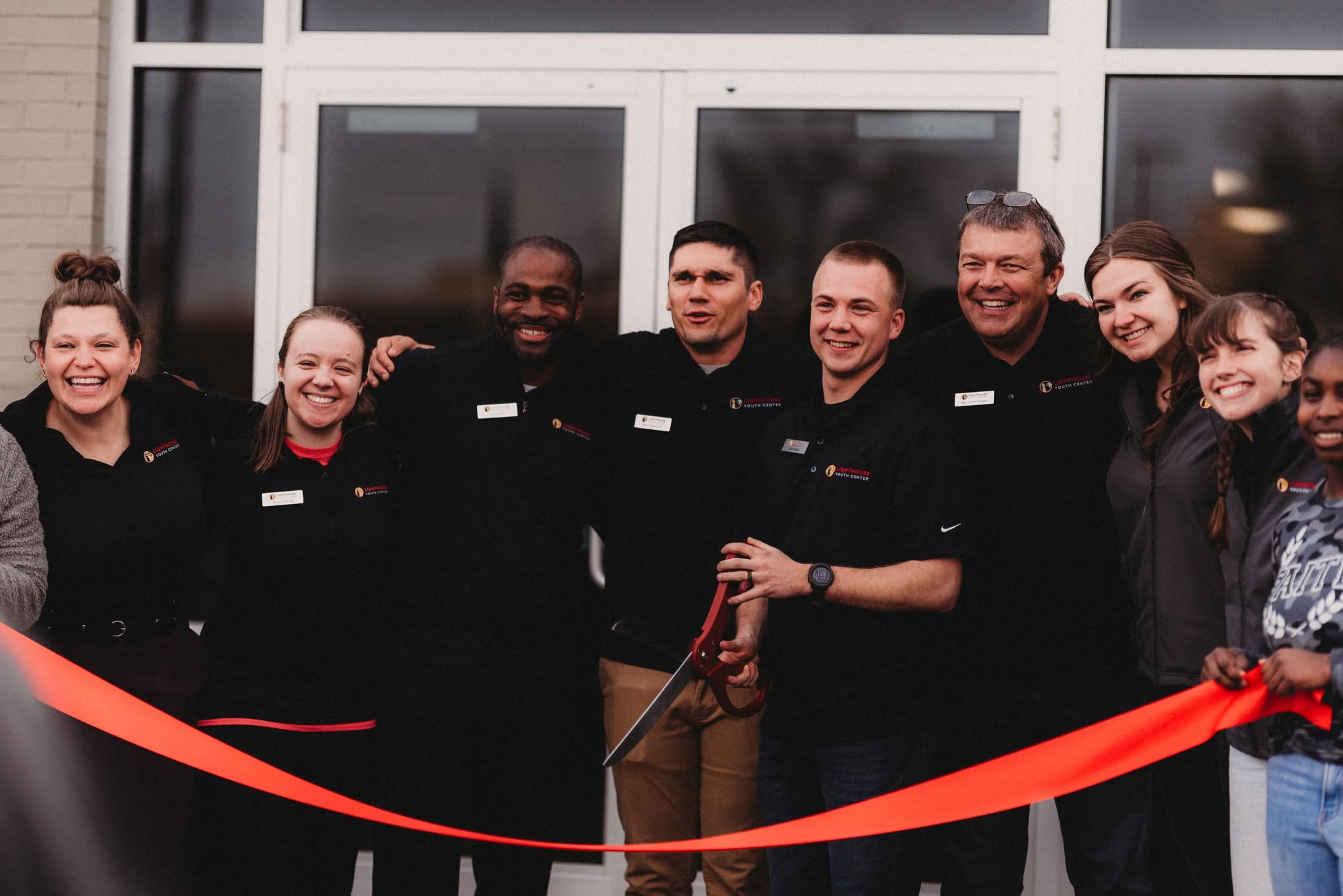
Looking back over the past 20 years, I’m grateful for every person who has been part of this journey, from the volunteers and families to the churches, donors and community partners who believed in this mission long before they ever saw the results. Catalyst Construction has been one of those partners from the very beginning. Their commitment has never just been to the buildings we’ve worked on together, but to the people those buildings serve. That’s a partnership we’re incredibly grateful for, and one that has helped make Lighthouse what it is today.
Join Us in Building Brighter Futures
For 20 years, Lighthouse has provided safe spaces, trusted mentors and lasting relationships for young people across Wisconsin. Whether you attend an event, volunteer your time or support our mission through a donation, you can help ensure the next generation has a place to belong.
Learn more about Lighthouse and support our annual fundraiser: Here
About the Author