
Project Coordinators are the connective tissue of a construction project, keeping details organized, teams aligned and work moving forward from start to finish.
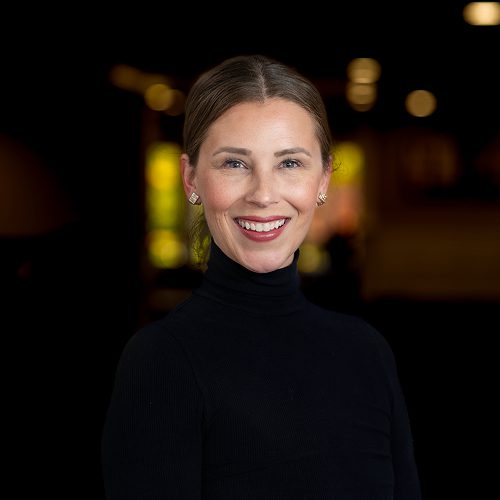
I sat down with two of our Project Coordinators, Candia Lick and Cassi Luedke, to get a closer look at what the role is really like day to day, where the busiest moments happen, and what it takes to support multiple projects at once.
No Two Days Are the Same
Q: What does a typical day look like for a Project Coordinator?
A: There’s no such thing as a “typical” day, and that’s part of what makes the role so interesting.
Most mornings start with checking emails and figuring out what needs attention first, but that can change quickly. Priorities shift depending on where each project stands, what questions come up and what the team needs at that moment.
A big part of the role happens at the very beginning of a project, making sure everything is set up correctly from the start. That includes organizing contracts, drawings, insurance documents and all the details needed to get work moving.
From there, the day becomes a mix of responding to requests, tracking down information, solving small issues before they become bigger ones and keeping multiple teams aligned. It’s fast-paced, and it requires constant shifting between tasks, but that’s what keeps it engaging.
Where Office Meets Field
Q: Are Project Coordinators mostly in the office or out on job sites?
A: We’re primarily based in the office, but there are opportunities to get out on job sites when it makes sense.
Those visits are always valuable because they connect the behind-the-scenes work to what’s actually happening in the field. Seeing a project in person helps put context around schedules, timelines and the day-to-day decisions being made.
It also gives a better understanding of how the details being managed in the office directly impact progress on site, which ultimately makes you better at the role.
Balancing Multiple Projects
Q: How many projects are you usually working on at once?
A: Typically, around six to eight projects at a time, all in different phases.
Some are just getting started, some are in the middle of construction and others are wrapping up and going through closeout.
Each project has its own pace, priorities and challenges, so no two days ever look the same. A big part of the role is knowing how to balance those competing needs and keep everything moving forward without letting anything fall through the cracks.
The Busiest Phase
Q: What’s the busiest part of a project?
A: The beginning is definitely the most intense!
That’s when everything comes in at once, contracts are being finalized, documentation is being gathered and the entire project is being set up from the ground up.
There’s a lot of coordination happening behind the scenes during this phase, and it all needs to come together quickly so the field team can get started. If that foundation is solid, it makes the rest of the project run much more smoothly.
Staying Organized
Q: What tools help you stay organized?
A: Procore is a big one for us.
It keeps everything centralized, documents, contracts, communication, so the entire team is working with the same information.
When you’re managing multiple projects at once, having a system like that in place makes a huge difference. It helps reduce confusion, keeps things accessible and ensures that nothing gets overlooked.
A Highly Collaborative Role
Q: Who do Project Coordinators work with the most?
A: Project managers are the main point of contact, but there’s also constant communication with superintendents in the field, subcontractors and occasionally clients depending on the project.
A big part of the role is making sure information flows smoothly between everyone involved.
Whether it’s sharing updates, tracking down answers or clarifying details, it’s about keeping everyone aligned so the project can keep moving forward.
Team-Driven Environment
Q: What is the work environment like?
A: Very team-oriented and collaborative!
There’s a lot of communication throughout the day, people asking questions, checking in and jumping in to help when something comes up.
Because construction projects move quickly and involve so many moving parts, that level of teamwork is essential. It creates an environment where people rely on each other and work together to keep things on track.
What Makes the Role Rewarding
Q: What do you enjoy most about the role?
A: The variety is a big part of it, no two days are the same, and there’s always something new to work through.
It’s also rewarding to know that the work being done behind the scenes has a real impact. Even though you’re not out in the field, you’re playing a key role in helping the project move forward and come together successfully.
Advice for Getting Started
Q: What advice would you give someone interested in this role?
A: Staying organized, flexible and comfortable managing multiple priorities at once.
The role moves quickly, so it’s important to be able to shift gears throughout the day and adapt as things change. Being proactive also goes a long way. Staying ahead of tasks and anticipating what’s needed next helps keep everything running smoothly instead of reacting when things pile up.
The Catalyst Difference
Q: What stands out most about working at Catalyst?
A: The team environment really stands out.
People genuinely enjoy working together and are willing to step in and support each other when needed. There’s also a strong sense that every role matters. Everyone understands how their work contributes to the bigger picture, which creates a culture that’s both collaborative and supportive.
Bringing It All Together
At first glance, much of the Project Coordinator role happens behind the scenes. But without it, projects lose structure, communication breaks down and progress slows.
It’s a role built on organization, adaptability and constant communication, and one that plays a critical part in bringing every project across the finish line.
If you’re interested in learning more about careers at Catalyst or what it’s like to be part of the team, explore our open roles or reach out to connect with us at catalystbuilds.com.
About the Author