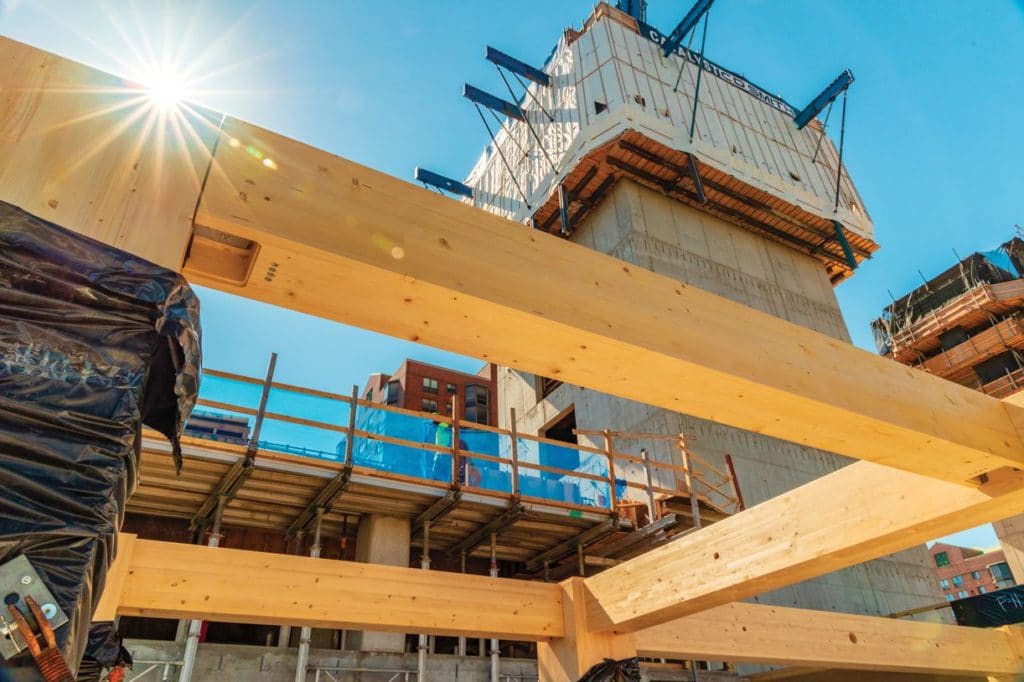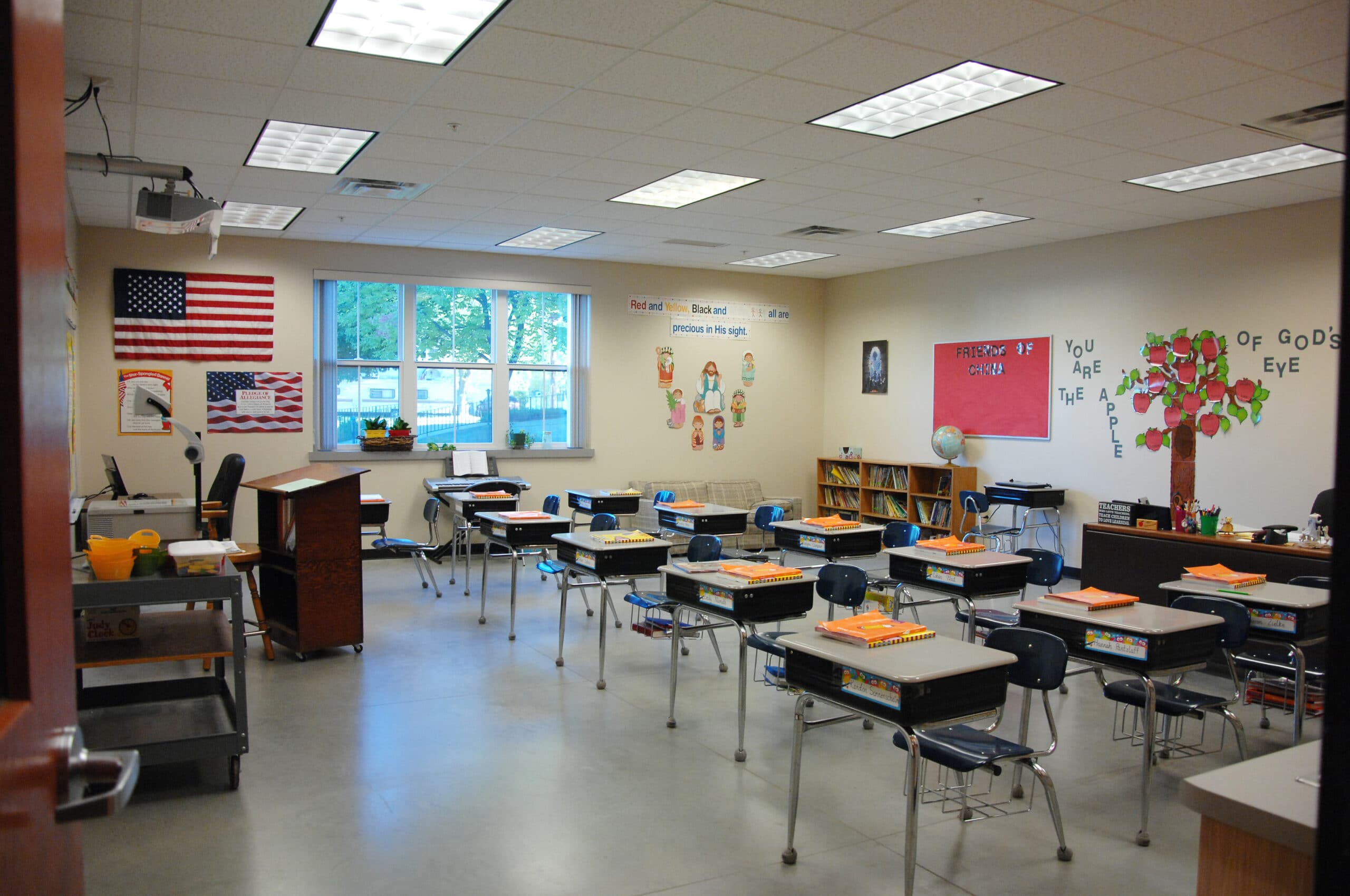

For many school leaders, the idea of expanding or building a new facility begins with a clear vision: more classrooms, better learning environments, and space to serve more students.
But turning that vision into a finished building requires more than great ideas. It involves navigating funding realities, construction market conditions, and complex planning decisions. Whether your school is just beginning to dream about expansion or actively evaluating land and design options, understanding a few key factors early can help your project move forward with confidence.
Understanding Today’s Construction Market
The construction industry has experienced significant volatility over the past several years. Between 2019 and 2025, construction costs increased roughly 39–47%, driven largely by inflation, supply chain challenges, and labor shortages.
Schools planning projects today must focus on building strategically rather than simply building bigger because costs are unlikely to return to pre-pandemic levels.
Lead times for certain equipment, such as electrical gear, elevators, generators, and other major components, can also affect project schedules if they are not accounted for early in planning. For school leaders, this means early planning and flexibility are essential.
Where Are You on Your School Development Journey?
Every school construction project begins in a different place. Some organizations are still exploring possibilities, while others may already be evaluating land or working with architects. Most projects move through several stages, including:
- Visioning and early discussions
- Planning and feasibility studies
- Fundraising and capital campaigns
- Land acquisition
- Design and programming
- Preparing for construction
One of the most common challenges schools face is moving forward before key pieces, such as enrollment projections, funding, or program needs, are fully aligned. Taking the time to evaluate readiness early can help prevent costly delays later.
Budgeting Realities Schools Should Understand
When leaders think about a building project, they often focus on the visible parts of construction, classrooms, gyms, and gathering spaces. However, a successful project requires understanding the full financial picture.
In most school construction projects, hard construction costs make up approximately 75–85 percent of the total budget, with the remainder made up of soft costs. Hard costs include materials and labor. Soft costs can include:
- Architectural and engineering fees
- Permits and approvals
- Furniture, fixtures and equipment
- Technology infrastructure
- Security and communication systems
Understanding these categories early helps schools build realistic budgets and avoid surprises.
Choosing the Right Project Delivery Approach
Another important decision is determining how the project will be delivered. Many schools choose the traditional architect and construction manager partnership, which tends to work especially well for projects with complex designs, multiple stakeholders, or longer planning timelines. This approach often provides greater transparency, clearer checks and balances, and stronger alignment throughout the process.
Others consider design-build, where one team handles both design and construction. While this model can be effective for more straightforward projects, it may offer less flexibility as decisions evolve. The right approach ultimately depends on the school’s goals, timeline, and leadership structure, but for projects requiring careful coordination and long-term vision, a more structured delivery method is often the better fit.
Designing Schools for the Future
Educational spaces are evolving quickly, and school facilities must be designed with flexibility in mind.
In addition to standard classrooms, typically around 900 square feet, many schools now incorporate larger, specialized learning spaces such as STEM labs, collaboration areas, and career-focused learning environments.
Flexible spaces that can adapt to changing teaching methods and enrollment needs will continue to serve students well into the future.
Turning Vision into Reality
A building project represents more than new classrooms; it represents the opportunity to expand a school’s mission and impact. Successful projects start with clear planning, strong communication, and experienced partners who understand both construction and the unique needs of educational organizations.
With the right preparation and guidance, school leaders can move confidently from vision to groundbreaking, and beyond. Learn more about how Catalyst can support your next schools building projects at www.catalystbuilds.com.
About the Author